
A PDF / Text
Puzzle set (questions, hints and answers)
Plan for three answer choices per question, one of which is correct. Prepare around 10 questions.
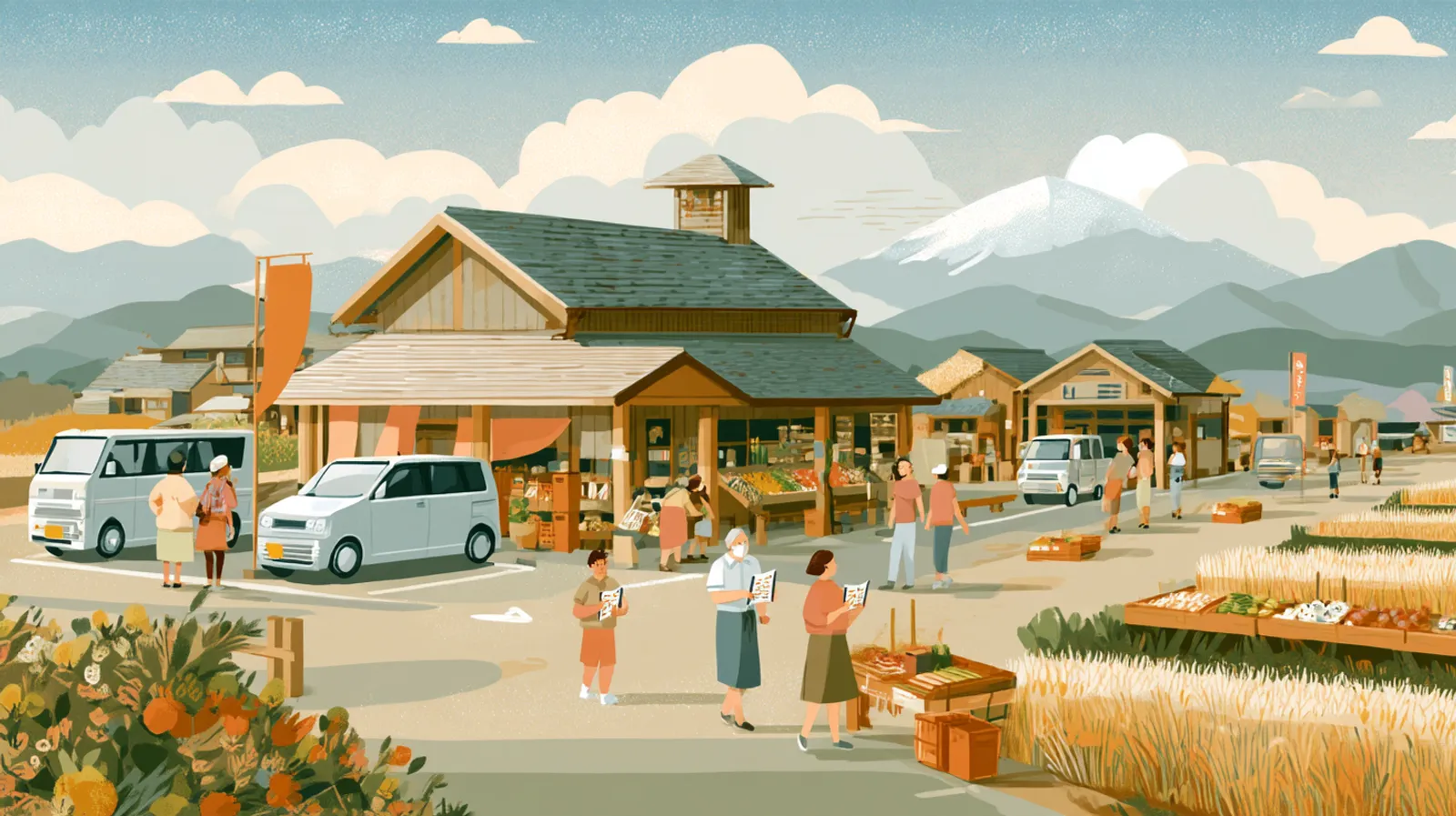
Turn a quick stop at a roadside station or tourist facility into a stay of several hours with a puzzle hunt. With a paper booklet plus smartphones, you can build a system that naturally creates more chances to use shops and restaurants, in as little as 60 minutes.
Choose whether to build and run it yourselves, or leave everything from planning onward to us.
Follow this recipe to set up questions, answers and rewards in World Builder. With an AI agent that supports T&T MCP, you can do the setup in one go. The basic features are free.
We handle everything from research, puzzle writing and storytelling to the system and impact reporting. Your facility or municipality mainly sells and promotes the booklet. Setup from ¥550,000 (tax excl.).
Give people a purpose, like "going to play a puzzle hunt", and they will come from far away. Great for bringing new visitors to roadside stations, shopping streets and theme parks.
Puzzle hunt participants stay on site for several hours. In Season 1 of the "Ikai Hunter Exam" example, about 75% of participants stayed 2–5 hours, and some spent several days exploring Tono. You can also expect them to walk around the shop floors and use restaurants when they take breaks.
The longer people stay, the more chances naturally arise for them to buy fresh local produce, souvenirs and soft-serve ice cream, and to use restaurants.
Plan for three answer choices per question, one of which is correct. Prepare around 10 questions.

Prepare images such as stamps or coins that record the number of correct answers.
Log in to T&T and complete the "Basic settings" and other setup, then click the "New" button in the "Items" menu.
In the admin screen, go to "Items → New" and register the item that people who answer correctly will receive. Choose "Credit" as the type. Then upload the image from material B and save.
In the admin screen, go to "Events → New" and register an answer choice. Name the event something like "Question 1, Choice A".
In the event settings, find "Check-in restrictions" and set the per-user limit to "1". Next, under "Reward item settings", choose the item (Credit) you set up in Step 1 from the drop-down menu and enter how many points to give for a correct answer. No setting is needed for incorrect choices. Finally, click "Save changes".
Repeat Steps 2–3 for every question and answer choice. With 10 questions of 3 choices each, you will end up creating 30 events.
Each event you create gets its own URL for answering. Post all 30 URLs on a website (or a web page, etc.) where users submit their answers, and your puzzle hunt answer page is complete.
In the steps above, you register one event for every question and choice (30 events for 10 questions × 3 choices). With an AI agent that supports T&T MCP (such as Claude Code), just tell it the questions, choices, correct answers and rewards in chat, and Steps 1–4 are registered in one go. The answer page can also run on printed QR codes alone.
Example: the history puzzle hunt "Folk Diver: Ibaraki-machi Edition" had all 9 questions set up in about 30 minutes.
* The puzzles themselves cannot be created in World Builder or with T&T MCP (with Nazotoki Pack, we write them for you).
Sign up with just a Google or Apple account. Try everything from creating a project to publishing it, completely free.
A full-scale puzzle hunt based at the Kaze no Oka roadside station in Tono, Iwate Prefecture, that keeps participants at five locations around the city for several hours. It is run with a paper kit and an answer system built on T&T, and is held year-round. In Season 1, currently running, more than 80% of participants complete it on average.
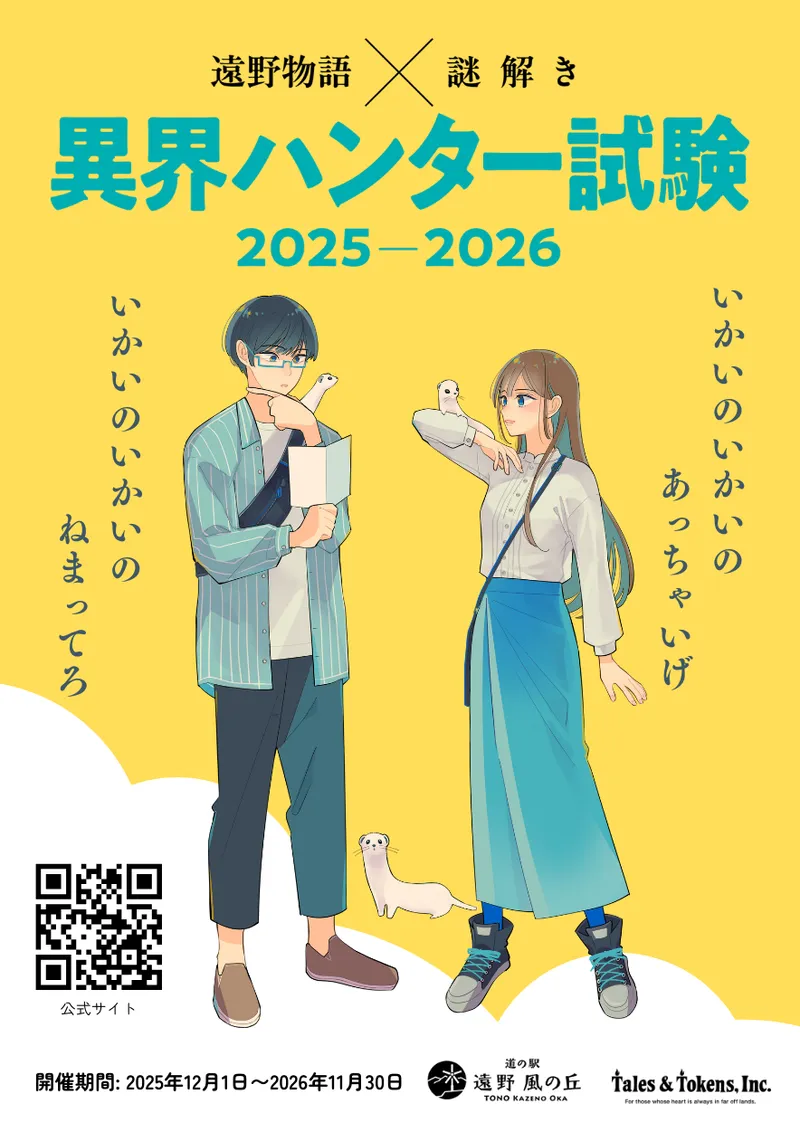
A year-round puzzle hunt set in the world of "Tono Monogatari". Hints are placed at five locations around the city, centered on the Kaze no Oka roadside station and Denshoen. Participants buy a ¥1,500 puzzle kit and answer three-choice questions on their smartphones. Depending on the number of correct answers, they receive a Grade 2, Grade 1 or Special Grade "Ikai Hunter License"; every participant gets a pin badge, and those who answer correctly receive an NFT of the spirit beast Izuna. In Season 1, currently running, more than 80% of participants complete it on average. From registration to completion, participants spent an average of over 3 hours at the roadside station and other facilities in the city.
* Based on T&T dashboard data. Share of check-ins by hour (%, Season 1 / ongoing).
About 60% of activity is concentrated between noon and the 3 p.m. hour, then tapers off naturally in the evening. This creates a comfortable flow of people that matches sightseeing in Tono and the opening hours of each facility. Trends like these can be tracked in real time on the T&T admin dashboard and used to optimize guidance times and hint delivery.
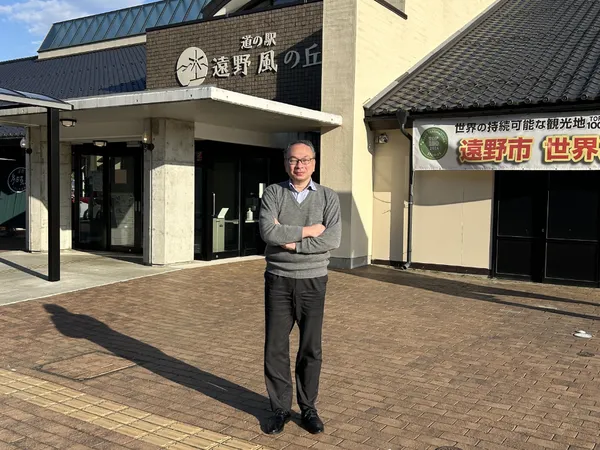
We at Tales & Tokens are the ones who actually plan and produce the "Ikai Hunter Exam" featured above. From worldbuilding, puzzle writing and on-site hint design to building the answer system and analyzing data, we can work alongside you on the entire puzzle hunt-based service.
Feel free to reach out even at the idea stage. Online consultations are free.

We bring out the stories of your region and the appeal of your facilities, and design everything down to visitor routes.
We help with difficulty balance, "trick" questions and immersive storytelling.
We build the answer system on T&T and hand it over ready to run.
Based on your T&T dashboard data, we propose improvements to difficulty and visitor routes.
Place QR codes at local spots for check-ins, creating a reason to explore and visit, in as little as 30 minutes.
Candidacy and voting by membership-NFT holders, building relationships in which local residents and fans take part in planning and running projects.
Turn the charm and stories of your region into NFT art, creating a way to keep donors and the region connected over time.